
There is something almost sacred about the smell of pure desi ghee melting over a hot roti. That rich, nutty aroma that fills the kitchen — it is not just nostalgia. It is centuries of wisdom, packed into a golden spoonful. But here is the uncomfortable truth: a lot of what gets sold as ghee today is far from the real thing. Adulterated fats, refined oils, and artificial flavoring have quietly crept into the market, and most buyers have no easy way to tell the difference.
This guide exists to change that. Whether you are buying for your family’s daily meals or looking to make a genuine lifestyle shift, knowing how to spot pure desi ghee is a skill worth having — and it is simpler than you think.
“Not all ghee is created equal. True pure desi ghee begins with the right cow, the right process, and nothing else in between.”
Which One Is Pure Desi Ghee?
Walk into any grocery store and you will find a dozen ghee options lined up on the shelf. Cow ghee, buffalo ghee, blended ghee, A2 ghee — the labels can feel overwhelming. So which one actually qualifies as pure desi ghee?
Traditionally, pure desi ghee refers to ghee made from the milk of indigenous Indian cow breeds — like Gir, Sahiwal, or Rathi — using the Bilona method. In this ancient process, the milk is first curdled into curd, then hand-churned to extract butter (makhan), and finally slow-cooked on a low flame until the moisture evaporates and pure golden ghee remains. No shortcuts, no additives, no refined oils mixed in.
Buffalo ghee is also common and widely consumed, but it lacks the distinct nutritional profile and color of traditional cow-based pure desi ghee. And the mass-produced varieties — made by directly processing cream rather than going through the curd-churning process — are nutritionally inferior, even if they technically qualify as “ghee” by label standards.
Quick Rule of Thumb
If your ghee was made from desi cow milk, using the Bilona (hand-churning) method, with no added fats or preservatives — that is pure desi ghee. Everything else is a compromise.
How to Identify Pure Desi Ghee at Home
You do not need a lab to test your ghee. A few simple home methods have been passed down for generations precisely because they work. Here is how to identify pure desi ghee before it even reaches your pan.
1. The Palm Test
Place a small amount of ghee in your palm. Authentic pure desi ghee will begin melting almost immediately from your body heat alone. Adulterated or low-quality ghee tends to feel waxy and does not melt as quickly. This happens because real ghee has a lower melting point due to its natural fat composition.
2. The Heat Test
Heat a teaspoon of ghee in a pan on high flame. Pure desi ghee melts instantly and turns dark brown within seconds, with a rich aroma. If the ghee crackles and sputters excessively or releases a sharp, odd smell, it likely has moisture or impurities — signs of adulteration.
What Is the Color of Original Desi Ghee?
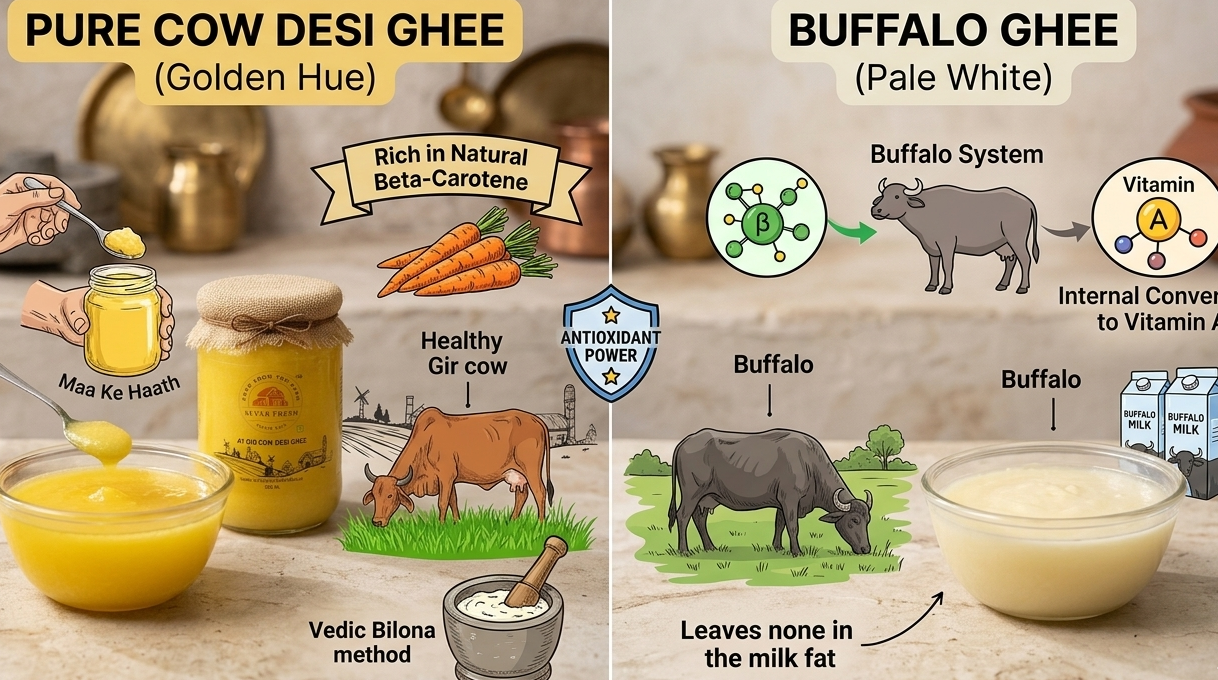
Color is one of the most telling indicators of quality. Pure desi ghee made from indigenous cow milk carries a characteristic golden-yellow hue. This color comes from beta-carotene, a naturally occurring pigment found in the grass and fodder these cows graze on. It is the same compound that gives carrots their orange color — and it doubles as a powerful antioxidant.
1. Cow Ghee vs. Buffalo Ghee: The Color Difference
Buffalo ghee, by contrast, is almost white or very pale yellow. This is because buffaloes convert beta-carotene into Vitamin A internally, leaving none behind in the milk fat. Neither shade is “wrong” per se, but when it comes to traditional pure desi ghee, a warm golden color is the benchmark.
2. What Pale or Off-White Ghee Might Signal
If cow ghee appears too pale or nearly white, it could mean one of two things: it was made from cream-separated milk (skipping the curd-churning process), or it has been blended with buffalo milk or other fats. In either case, what you have in your hands is not authentic pure desi ghee.
How Do I Choose Pure Desi Ghee? A Buyer’s Checklist
Making a smart purchase is about more than just picking a pretty jar. When choosing pure desi ghee, train yourself to look beyond the packaging and ask the right questions.
1. Check the Source of Milk
The best pure desi ghee begins with milk from indigenous Indian breeds — Gir, Sahiwal, Tharparkar, or Rathi cows. These breeds are known for producing A2 milk, which contains the A2 beta-casein protein that is easier on digestion and richer in nutrients. If a brand cannot tell you where their milk comes from, that itself is a red flag.
2. Look for the Bilona Process
The Bilona or traditional hand-churning method preserves nutrients that are lost in industrial processing. Brands that use this method will almost always mention it, because it is both a quality marker and a differentiator. If the label only says “pure cow ghee” without specifying the process, it is likely cream-extracted — a faster, cheaper method that yields a nutritionally different product.
3. Read the Ingredient List
Genuine pure desi ghee has exactly one ingredient: ghee (or clarified butter from cow milk). The moment you see vegetable oils, palm fat, artificial butter flavoring, or preservatives listed anywhere, put it back on the shelf.
4. Trust Texture and Smell Before You Trust Branding
If you have access to the product before buying, use your senses. Pure desi ghee should have a warm, slightly nutty smell — complex and comforting, not sharp or artificial. The texture should feel smooth and rich when rubbed between fingers, not greasy or waxy.
Which Ghee Is Considered the Purest?
Among all varieties available today, Bilona A2 cow ghee — made from the milk of indigenous desi cow breeds — is widely considered the gold standard of pure desi ghee. Ayurvedic texts, nutritionists, and traditional households all point to the same answer.
Why A2 Gir Cow Ghee Leads the Pack
The Gir cow, native to Gujarat, is one of the most respected indigenous breeds in India. Her milk is naturally rich in A2 beta-casein protein, Omega-3 fatty acids, and fat-soluble vitamins. When this milk goes through the traditional Bilona process, the resulting pure desi ghee is deeply nourishing — in a way that commercially produced ghee simply cannot replicate.
Grass-Fed Makes a Difference
Cows that graze freely on natural pasture produce milk with a richer nutritional profile compared to those fed only stored fodder or commercial feed. Grass-fed pure desi ghee tends to have higher concentrations of CLA (conjugated linoleic acid), beta-carotene, and fat-soluble vitamins — all of which show up in the deeper color and more robust flavor of the final product.
The Purity Hierarchy at a Glance
Bilona A2 Gir/Sahiwal Cow Ghee → Bilona A1 Desi Cow Ghee → Cream-separated Cow Ghee → Commercial Blended Ghee. Each step down the list means more processing and fewer of the nutrients that make pure desi ghee worth having in the first place.
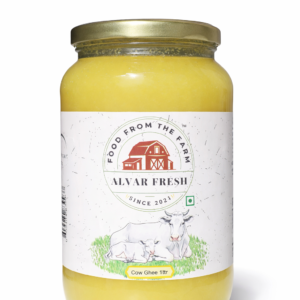
Here you can find the pure desi ghee:
Recommended products
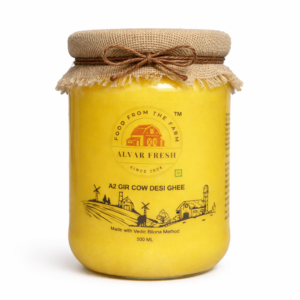
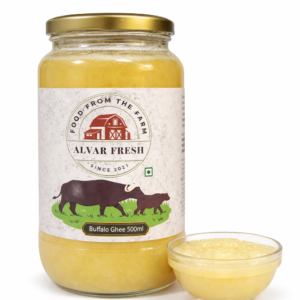
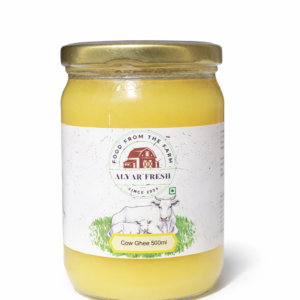
Conclusion
At the end of the day, choosing pure desi ghee is not just a health decision — it is a statement of trust. Trust in time-honored traditions, in farmers who raise their animals with care, and in a process that has survived thousands of years because it simply works.
The next time you reach for a jar of ghee, you now have everything you need to make an informed choice. Look for that golden color, check for the Bilona process, confirm A2 cow milk sourcing, and when in doubt — let your palm do the testing. Real ghee speaks for itself.
At AlvarFresh, every batch of our pure desi ghee is made the traditional way — no shortcuts, no compromises. Because we believe your family deserves nothing less than the real thing.
Pingback: A2 Cow Ghee: What Nobody Actually Tells You!!
Pingback: Best Ghee in India: What to Look For | Alvar Fresh